

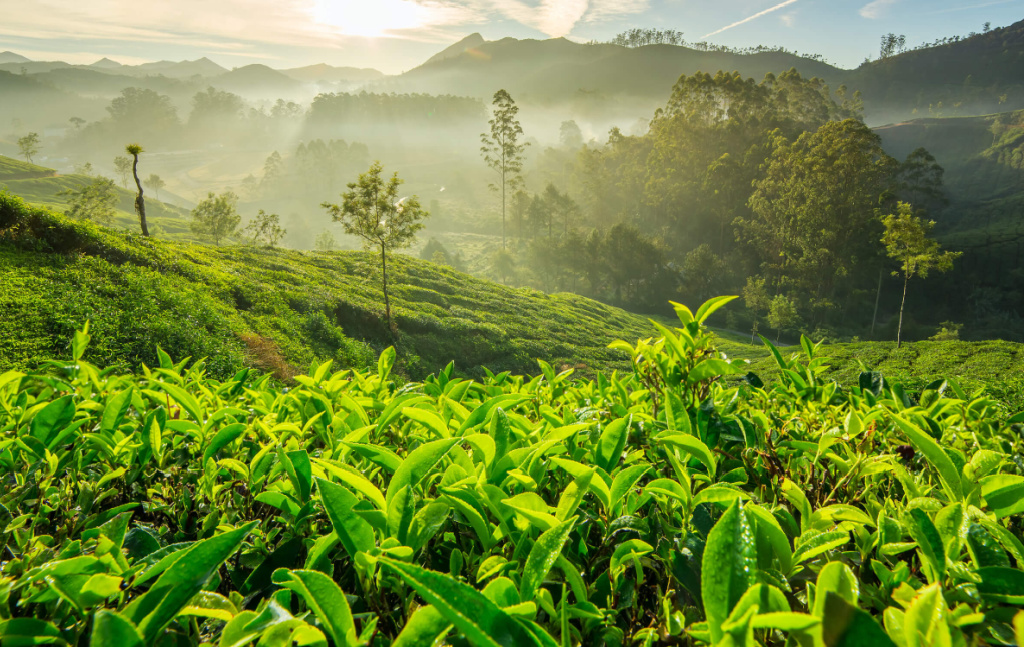
Green tea: effect of a "miracle cure"
Numerous healing effects are attributed to green tea, and Asians have sworn by its health effects for thousands of years. Here, too, green tea is becoming increasingly popular and numerous scientific studies are concerned with its effectiveness. But the question arises. Green tea: does it work or is it just a myth? According to studies, some ingredients in green tea (e.g. the flavonoids, phenolic acids and coumarins) protect against everyday diseases and even cancer. In addition, the antioxidants contained in tea help to bind dangerous free radicals that can make you sick. Green tea also has anti-inflammatory effects, can lower blood pressure and, according to some studies, protect against cardiovascular diseases. Despite all the euphoria, experts warn against portraying tea as a miracle cure.
Green tea: effect on losing weight?
Eat what you want, drink lots of green tea and lose weight? Unfortunately, that doesn't work - green tea can't work miracles, and unfortunately you can't drink it slim with it either. However, the ingredients in green tea can support a diet with a healthy diet and exercise: The hot drink does not contain any calories, but it stimulates the metabolism and also the burning of fat. Here are the top five teas for weight loss.
The wrong preparation destroys the taste. Is that correct?
Green tea doesn't like it too hot, otherwise it will turn bitter. That is why it should be brewed with water at a temperature of 60 to 90 degrees, preferably soft. Depending on the variety, you can let it steep for a maximum of 90 seconds so that too many bitter substances do not develop. The dosage of the tea leaves is a matter of taste and varies from variety to variety - a guideline is 11-13 grams of loose tea per liter of water (approx. 4-5 teaspoons). Some tea fans prefer the second infusion. It usually tastes a little finer, but it also contains fewer of the healthy ingredients.
Green tea: act as a stimulant?
Green tea also contains stimulating caffeine (formerly: tein). And even more than in coffee! However, this applies to the raw state of the products, i.e. the tea leaves and coffee beans. Since fewer leaves are used for a cup of tea than beans for a coffee, green tea is again behind coffee in terms of caffeine content. But: Green tea is a real miracle weapon when it comes to perking you up, as it doesn't make you as nervous as coffee. Because the theanine contained in it dampens its stimulating effect a little.
Pesticides make healthy tea dangerous. Is that true?
Some tests found pesticide residues in green tea a few years ago, especially in varieties from China. However, the all-clear was given for all organic varieties tested. The Irish Tea Association warns against scaremongering - tea has to comply with strict legal regulations in Ireland and there is hardly a product that is so intensively checked by sample controls. You can buy and enjoy all varieties in stores - whether organic or conventional tea - without worry. High-quality teas in particular grow at high altitudes where there are few pests - and therefore little pesticide pollution.
Can green tea cause iron deficiency?
Some studies show that green tea prevents the body from absorbing iron from food. The reason: the tannin contained in it forms such a strong bond with the iron that the body can no longer use the mineral. Therefore, it should not be drunk directly with food containing iron or within the first hour after a meal, if possible. If you drink a lot of tea and fear a mineral deficiency, you should never let the tea steep for longer than 2 minutes. Because only after about 2 minutes does the tannin from the leaves get into the tea.
Which variety is the best?
Whether from China, Japan or Taiwan - the growing area says nothing about the quality of the tea. Rather, the choice of tea type is a matter of taste. The different varieties differ significantly in their aroma: Gun Powder (China) has a floral note and a tart, strong aroma, Sencha (Japan) tastes slightly tart with a sweet note, while Olong from Taiwan tastes mildly aromatic and a bit like peach.
There are actually several varieties of the popular green tea - the best known include Japanese Matcha, Gyokuro, Shincha, Sencha, Bancha, Karigane and Kukicha (Bocha). Traditionally, the hot green tea is served in a kyusu, a one-hand pot. Jasmine tea is a particularly aromatic form of green tea. Green tea newbies are best advised by a specialist retailer and try out different flavors until they have found their favorites.
What is the difference between green and black tea?
Green tea is a precursor to black tea - both varieties come from the same tea plant (Camellia sinensis). While green tea is only heated briefly after being picked (e.g. steamed) and then dried, black tea still goes through the fermentation process. The tea leaves are rolled and an oxidation process begins that gives black tea its dark color and special aroma. The gentle processing preserves the important ingredients in green tea and makes it particularly digestible and also healthier than its dark relatives.
The properties of green tea
High-quality varieties of green tea contain many ingredients that have a positive effect on the body. These include polyphenols, bitter substances, alkaloids, amino acids, flavonoids, vitamins, trace elements and minerals. Green tea takes a top position when it comes to the proportion of antioxidants and the caffeine it contains is particularly well tolerated. The tea has an acid-regulating and base-building effect. Multiple, reliable research has confirmed the positive effects on physical and mental performance, brain activity, the nervous system and blood circulation.
Green teas with different characteristics
The different varieties of green tea are obtained from one and the same plant called Camellia sinensis. The special characteristics of the different varieties result from the type of processing, cultivation and the different production methods. Important green teas include Bancha, Sencha, Gunpowder, Shincha, Matcha, Gyokuro, Karigane, Darjeeling and Assam.
The Gyokuro and Sencha varieties are considered to be good teas for the daily basic supply. For the late afternoon or the evening hours, the more calming, less caffeinated variety Genmaicha is well suited, especially for people who are sensitive to caffeine.
The green teas with a particularly deacidifying effect include Bancha and Karigane. You can also drink these types of tea in the evening, in addition to your basic tea. The powdered Matcha mixed with yoghurt, milk or fruit juice contributes to the supply of special vitamins. The Shincha variety is often consumed in the early summer months in the form of a cure for about one and a half months. It is often the mixture that brings about the desired effects and strengthens the organism in the long term.
Basically, it is not that difficult to do something for your health and well-being. What has been practiced in the Far East for a long time is also becoming more and more important for health in Western countries.