

Tarragon

Description
Tarragon - use in the kitchen
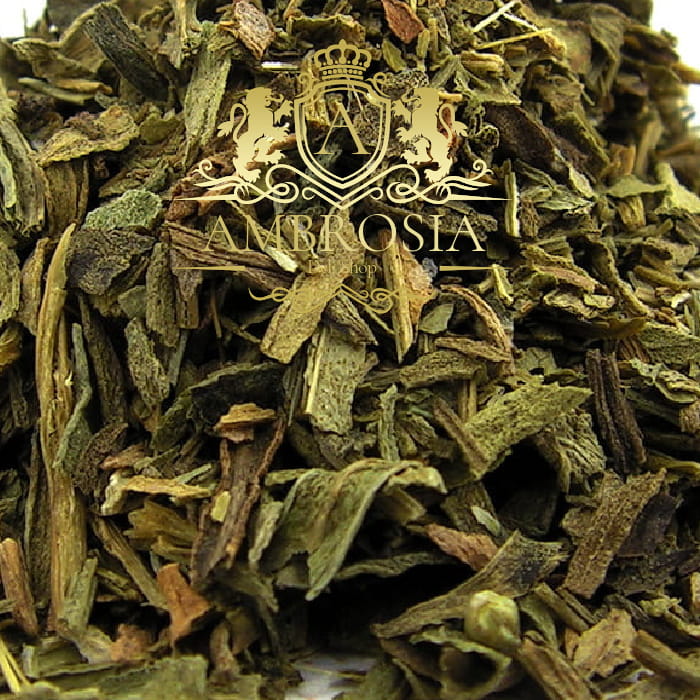
French tarragon has a refreshing, sweet and licorice fragrance with bitter notes. It has a strong herbal flavor with hints of anise and basil. French tarragon is softer than Russian. The Russian variety has larger leaves, lacks anise flavor, is bitter and spicier. The ground parts of tarragon are used whole, both fresh and dried. After drying, it is ground or crushed. However, chefs definitely prefer fresh herbs in the kitchen, as dried herbs quickly lose their qualities. Tarragon is a very important herb in French cuisine.
He is called by the French the king of herbs. It is added to sauces based on cream, eggs and mayonnaise, e.g. bearnaise, tartar and hollandaise sauce, tomato soup, cream soups, omelettes or scrambled eggs with brie cheese.
Goes well with duck, lamb, chicken, fish and seafood. Salads, cucumbers, beets and mushrooms are seasoned with tarragon. It goes well with herbal butter, mustards (French Dijon mustard), and is also flavored with vinegar.
Tarragon has a strong flavor and when used in excess, it can dominate the dish. It goes well with basil, parsley, thyme, chives and chervil. When cooking, it changes the taste and becomes more bitter, so it's best to use it just before taking the food off the heat.
Try the cooking recipe with this product: Terrine with salmon
Tarragon - health properties and application
Tarragon is a herb that has been used in the kitchen as a spice. Tarragon is characterized not only by its unique taste and aroma, but also by medicinal properties. Tarragon extracts and individual active ingredients of this herb have proven broad antibacterial, antifungal, anti-inflammatory and more. Check what other health benefits tarragon has and how to use it in the kitchen.
Tarragon is a very famous and widely used spice. This herb is botanically named Artemisia dracunculus L. and belongs to the Asteraceae family. Tarragon is believed to be native to Asia and was brought to Spain in the 11th century by the Mongols. The first mention of this herb can be found in a book by the Arab herbalist Ibn-alBaytar from the 13th century.
Tarragon came to France in the fourteenth century, when St. Catherine visited Pope Clement VI and brought with her herbs from her native Sienna. Tarragon became a popular spice in Europe thanks to the rulers: Catherine the Great, Marie Antoinette and George IV. It was Charlemagne's favorite herb. Tarragon often appears in herbariums and cookbooks from the seventeenth and nineteenth centuries. Apart from culinary applications, tarragon is used as a medicine in folk medicine. It is used in the production of soaps, perfumes and other cosmetics. It is also used in aromatherapy.
Tarragon - healing properties
Tarragon extracts and individual active ingredients of this herb have proven broad antibacterial, antifungal, anti-inflammatory, anti-diabetic, hepatoprotective, anti-platelet aggregation, gastric-protective and anticonvulsant properties.
Antibacterial activity
Chloroform, acetone, methanol and water extracts of estragon show broad antibacterial activity against pathogenic bacteria: Staphylococcus aureus, Pseudomonas aeruginosa, Shigella, Listeria monocytogenes, Staphylococcus epidermidis and others. Tarragon aqueous extracts have also been shown to be effective in combating Helicobacter pylori and in treating gastric and duodenal diseases, including gastric and duodenal ulcers.
Antihyperglycemic activity
Tarragon's ability to lower blood glucose has been demonstrated in many in vitro and in vivo studies. Tarragon extracts have been found to have antihyperglycemic effects when challenged with glucose (oral glucose tolerance test), in adrenaline-induced hyperglycemia and in diabetes induced by toxins: alloxan and streptozotocin. Tarragon increases muscle glucose uptake and potentiates the activity of insulin-induced intracellular kinases. It also inhibits gluconeogenesis. Tarragon reduces the cells' resistance to insulin and helps to control the level of glucose in the blood and its optimal use by the body.
A 90-day randomized, double-blind study in 24 subjects with impaired glucose tolerance investigated the effects of tarragon consumption on insulin secretion and glycemic control. A significant decrease in insulin secretion in response to a meal, glycosylated hemoglobin level and blood pressure was observed in the group administered 1000 mg of tarragon daily before breakfast and dinner. There was also a statistically significant increase in blood levels of "good" HDL cholesterol.
The names of tarragon in various languages refer to the word "dracunculus", which in Latin means little dragon. The very wavy shape of the roots evokes associations with a snake or a dragon, and the leaves of the herb resemble a dragon's tongue. Tarragon is found under the names: tarragon, dragon, dragoncello or tarkhun.
Antioxidant activity
Tarragon extracts reduce lipid peroxidation, which indicates their antioxidant activity. In in vitro tests, the components of tarragon essential oils show a free radical scavenging effect, and the antioxidant activity of tarragon extracts depends on the amount of phenolic compounds they contain. However, the mechanism of tarragon's antioxidant activity is unclear and requires recognition.
Action on the digestive system
The beneficial effect of tarragon on the digestive system in many respects has been confirmed by numerous scientific studies. Aqueous tarragon extracts increase the secretion of gastric juices, which facilitates digestion. It is also known that ethanol extracts prevent the formation of gastric ulcers due to the presence of Helicobacter pylori in it. This is due to the activation of protective factors for gastric epithelial cells by tarragon.
Tarragon reduces the secretion of transaminases in the liver during inflammation of this organ. It also stimulates the production of bile, which makes it easier to digest fats. The hepatoprotective effects of pure ethanol extracts of tarragon were investigated in animal models. In one study, rats were induced hepatitis using tetrachloromethane. In animals treated with 70% tarragon extract, a reduction in liver necrosis areas of at least 30% was observed.
An increase in the number of healthy hepatocytes was also noted. It was found that tarragon extracts strengthen the cell membrane of liver cells and the compensatory mechanisms of hepatocytes, thus increasing their resistance to pathogenic stress factors.
- Worth knowing
Tarragon - active substances
Older studies, describing the bioactive substances of tarragon, focus mainly on essential oils. However, it is now known that tarragon contains many other active compounds that are responsible for its potential health-promoting effects - coumarins, flavonoids, phenolic acids, sesquiterpenoids and vitamins. Tarragon essential oils contain numerous bioactive ingredients whose composition varies depending on the origin of the herb. However, in each case, methyl eugenol, estragol, elemicin and terpinolene dominate.
The main components of the essential oils of Russian tarragon are terpinene-4-ol, sabinene and elemicin, while the French - estragole, 7-methoxycoumarin and beta-ocimene. The composition of the bioactive substances of tarragon is strongly dependent on the time of harvest and the place of occurrence.
Tarragon roots, stems, leaves and inflorescences contain the enzyme peroxidase. Its main role is to protect cells against harmful oxidation processes by peroxides produced in the body in biochemical processes and reaching it from the external environment.
Tarragon in folk medicine
Tarragon is a herb that is traditionally used for digestive ailments. It improves digestion, which is appreciated especially with high consumption of red meat, and also stimulates the appetite. In Arabic culture, tarragon is used for insomnia and to mask the unpleasant taste of drugs. In the past, it was used as an anesthetic for toothache and wounds.
In Central Asia and Russia, tarragon was widely used to treat skin problems: inflammation, allergic rashes, wounds. In traditional Azerbaijani medicine, tarragon has been used as an anti-epileptic, antispasmodic, and laxative. A teaspoon of infusion before a meal was to aid digestion. In India, tarragon extract has been used against gastrointestinal parasites. This herb was widely used by Native Americans.
The roots were used to inhibit heavy menstruation and bleeding in difficult births. Chewing tarragon leaves was a remedy for heart palpitations and toothache. The root pieces were added to the strengthening baths for children and the elderly.
Tarragon was used to prepare lotions to accelerate the healing of wounds. When smoked, it was used to repel mosquitoes. Tarragon was and still is an important folk medicine in the territory of the former Soviet Union. When analyzing the uses of the herb, the following properties are attributed to it:
- nervous system - soothing, hypnotic, antiepileptic effect
- digestive system - stimulating appetite, stimulating the secretion of digestive juices, laxative effect, increasing bile secretion
- excretory system - diuretic effect
- anti-inflammatory, antibacterial, accelerating wound healing
Estragol in large amounts can be toxic. For this reason, it is not recommended to use oils and strong tarragon extracts during pregnancy.
- Worth knowing
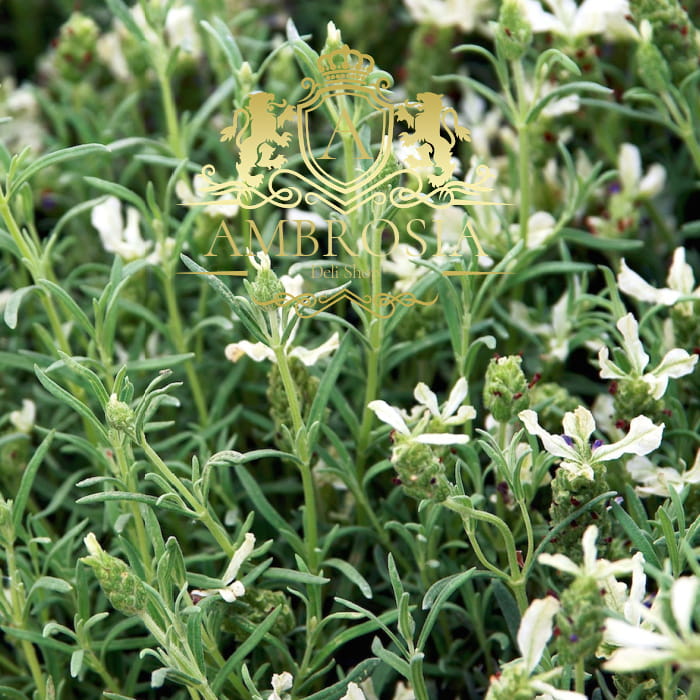
Tarragon is an aromatic perennial that grows to a height of about 1 m. It has narrow lanceolate leaves and small, white, spherical flowers. It grows best in soil with a pH of 5.5 to 7. It does not like too moist soil, so it is very important to provide it with good drainage. The cultivation site should be sheltered from the wind and well insolated.
In winter, tarragon needs indoor storage. Leaves can be harvested at any time. When harvesting, tarragon must be handled with care as the leaves darken quickly and lose their aroma. The twigs are best dried in bunches, hung in a dry and dark place or placed flat. They can also be frozen in sealed bags.
Tarragon occurs naturally in western parts of North America, Eastern and Central Europe and temperate parts of Asia. This herb is widely grown all over the world, mainly in southern Europe, Russia and the United States.
Tarragon comes in variants with different ploidy (multiplicity) of chromosomes. Variants can have sets of chromosomes duplicated twice, four times, or six times. The cytotype significantly influences the biochemical profile and properties of tarragon.
Chromosome multiplication is one of the most important mechanisms of evolution and formation of new species in plants. There are generally two main varieties of tarragon - French (possibly pure tetraploid) and Russian (a mixture of different cytotypes). However, according to botanists, there are no subspecies of Artemisia dracunculus L.