

Lemon Balm


 3
3
Description
Lemon balm is one of the classic kitchen and medicinal herbs that should not be missing in any garden or balcony. The mild, delicately scented lemon aroma makes lemon balm one of the most popular and versatile herbs. The ingredients contained in lemon balm also help with nervousness
Use of lemon balm
Lemon balm is best known to many as a tea - pure or mixed with other herbs. But also as a tasty ingredient with a subtle fresh note, lemon balm is not to be despised in numerous dishes.
Use as a culinary and aromatic herb
The lemon balm is an excellent herb in the kitchen. The herb with its delicately tart, slightly lemony and fresh taste is an enrichment for many dishes. It is suitable for desserts as well as hearty and savory dishes.
What can lemon balm be used for in the kitchen?
- Manufacture of syrup
- for punch and cocktails
- fruity herbal lemonades
- for cakes and pies
- Ice cream and sorbet
- as a herb for fish and potatoes
- Pesto
- Salads
- Marinades
See also: Refreshing recipes with lemon balm
An excellent way to use lemon balm and make it durable is to make a lemon balm syrup. All you need is sugar, water, citric acid and fresh lemons.
Lemon balm is an excellent herb for fish. The aroma of lemon balm comes into its own when the leaves are processed gently, e.g. by cooking them in a packet together with the fish in the oven. The aroma is much stronger when the chopped leaves are added to the meal just before serving.
- Botanical name Melissa officinalis
- Mint family plant (Lamiaceae)
- Other names lemon balm, lemon herb, garden balm, bug herb, citronella
- Sowing time / planting time end of April-May
- Flowering period June-August
- Harvest time June-September
- Location in full sun to sunny with humus rich and loose soils
Use as a medicinal herb sleep disorders, nervous restlessness, cramps, stomach and intestinal problems, nausea
Use as a herb fish, desserts, drinks, salads, dressings, sauces
Plant characteristics and systematics of lemon balm. Origin and occurrence of lemon balm
The lemon balm originally comes from the warm south and south-east of Europe. The former wild plant is now cultivated and can therefore also be found in Central and Western Europe as far as Western Asia and the Mediterranean region. In these areas, lemon balm also grows wild in some cases, as it has relatively low demands on the location and spreads easily through subterranean root runners and self-sowing.
Systematics of lemon balm
The lemon balm or simply lemon balm (Melissa officinalis) is one of the mint flowers (Lamiaceae) and the botanical subfamily Nepetoidaea. The lemon balm is a member of a family that contains many well-known useful and medicinal herbs such as sage, rosemary or thyme.
In close relatives, the melissa is the leading species of the genus of the same name, the melissa (Melissa). This genus has only four species. Melissa officinalis is also the best-known representative. The common gold balm Monarda didyma does not belong to this genus.
Subspecies and varieties of lemon balm
There are two subspecies of lemon balm, which differ in their height and fragrance.
The pleasantly fragrant and not so tall growing species is Melissa officinalis ssp. officinalis, the unpleasantly scented one is called Melissa officinalis ssp. called altissima.
Features of lemon balm
The lemon balm is a perennial or perennial herbaceous plant. The height of lemon balm depends on the type of cultivation and the respective subspecies. Plants grown in pots are usually only 30 to 60 cm high, whereas free-growing lemon balm in the garden can be up to 1.20 m high.
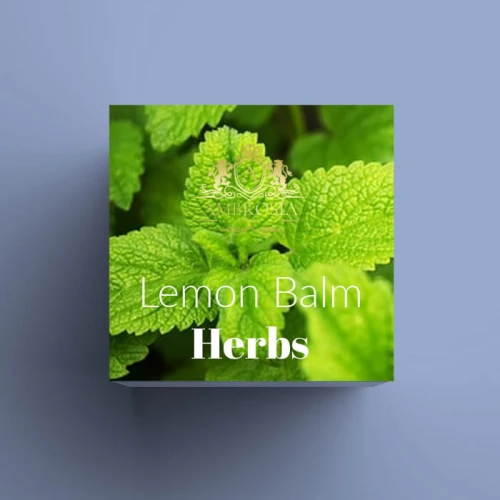
The leaves of the lemon balm have an egg-shaped shape, are serrated on the edge and slightly pointed at the end of the leaf. Visually, the lush green leaves of lemon balm are very similar to those of nettles. Nonetheless, the leaves, which are up to five cm long and three cm wide, are slightly hairy. The leaves sit on the square and upright growing stem, which can be hairy or glabrous.
Below the soil, the lemon balm forms an extensive root system called a rhizome. In this way, lemon balm will multiply by itself in addition to self-sowing. The roots lie flat and are slightly brownish to whitish in color.
The flowering time of lemon balm can usually be expected between the beginning of June and the end of August. This is where the typically filigree lip flowers appear. The color of the up to seven whorled flowers that appear between the leaf axes is usually white, but can also contain purple, pink or blue hues. After the flowering period, small, egg-shaped nut fruits containing the distinctly brown seeds form.
After successful fertilization, especially by bees - the name balm comes from the Greek vocabulary and is translated as honey bee (Greek: melitta) - seed fruits form. The lemon balm, which is also popularly known as bee herb, is a well-frequented bee pasture.
Different subspecies - different fragrances
Lemon balm is characterized by the lemon-like scent of the leaves, which can be felt if you carefully brush the leaves or rub the leaves between your fingers. The subspecies Melissa officinalis ssp. altissima, however, the scent is less pleasant. Microscopic oil glands, which contain the essential oils and secrete them accordingly, are responsible for the scent.
Sowing, cultivation and care
The lemon balm is an easy-care plant that has few demands. It can be integrated well in a herb garden or simply cultivated on the balcony or terrace.
Location and soil
The herb thrives in partially shaded locations as well as in full sun, whereby the lemon aroma that gives it its name is more pronounced in places in the sun. The soil should be loose and rich in humus.
sowing
The seeds of lemon balm can be brought into the ground as early as late winter. However, only in planters in a warm house. It is important that the seeds are not covered with soil. Since lemon balm is a light sprout, it is sufficient to lightly press the lemon balm seeds into the soil. It can take two to three weeks for the first offspring to appear. The seeds can be sown outdoors or on the balcony until the end of May. In the open field, planting distances of at least 20 x 20 cm should be maintained.
Lemon balm can also be grown excellently in herb spirals. The plant should be planted here in a zone with nutrient-rich, humus-rich soil. The herb is a good neighbor to most other herbs, with the exception of wormwood.
Fertilization
In normal, fertile garden soil, no additional fertilizer is usually required. If the plant grows in the same place for several years, small doses of compost or horn shavings can be incorporated. Pot cultures can do without fertilizer for a year with appropriate pre-fertilization and sufficient space in the pot.
to water
The earth or the ground should always be kept slightly and sufficiently moist. However, the mint will survive short periods of drought without any problems. On hot summer days, younger plants may need to be watered in the morning and in the evening. However, only enough water should be poured that the top 10 to 15 cm are moist. Too much water in the soil can cause root rot.
Multiplication
In spring, when existing plants have been pruned generously, you can pull cuttings from the pruning. Except for the top green leaves, the cuttings are removed from other leaves and planted in potting soil. Otherwise, the lemon balm often sows itself enough.
Another type of reproduction is division. Like chives, lemon balm forms whole clumps that can be easily rejuvenated by digging up the plant and dividing the rootstock and planting it elsewhere.
Care and wintering
Lemon balm hardly needs much care over the year. Water regularly and fertilize with compost in spring and autumn are the essential measures. No further precautions are necessary in winter either. Only plants that grow in pots and not directly in the garden should be covered or put in a cool, bright place in the house for the winter. In addition, lemon balm is a vigorous plant that can easily be pruned up to three times a year and sprouts again and again.
Diseases and pests
Possible diseases that can affect lemon balm are powdery mildew and rust. With powdery mildew, the typical white coatings appear on the leaves. Brown-red spots on lemon balm, on the other hand, indicate rust, a fungal disease that affects many herbs, especially in very humid summers. In the case of rust, household remedies usually do not help, only a generous cut of the plant. If the infestation is frequent, changing the soil or soil can be helpful. Sometimes too dense vegetation or too much moisture are responsible for the infestation.
harvest
The pruning can either be used as a cutting or dried for use as a kitchen or tea herb (see Drying Herbs Correctly). The time before flowering is ideal for pruning, the leaves are the most aromatic because the plant has not yet transferred its energy to the flowers.