

Coffee Brazil Santos



Description
Coffee Brazil Santos
Santos is the most famous and valuable region for the Brazilian raw coffee market, because this is where the largest port in South America, from which coffee is shipped all over the world, is located.
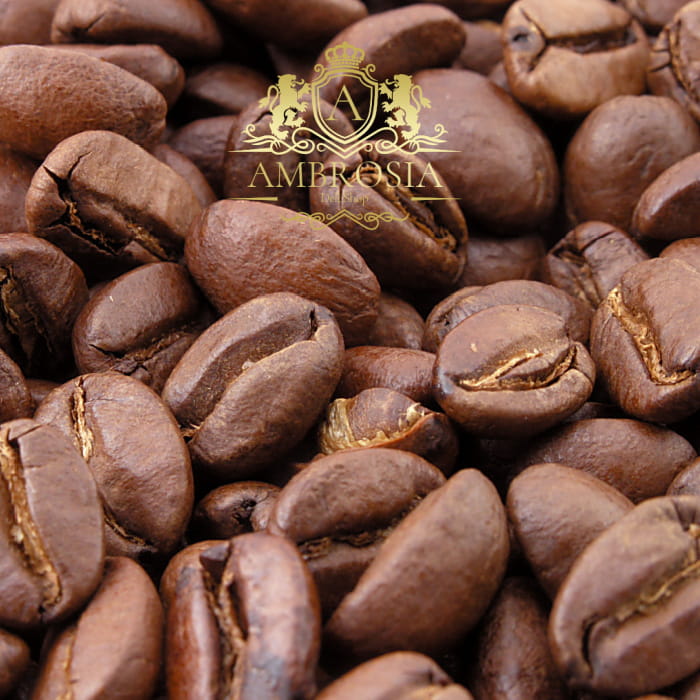
Brazil Santos coffee is one of the most popular and best-selling specialty coffees. Due to its delicate taste, it will be a great choice for anyone who wants to start their adventure with coffee tasting. The main flavors of this coffee are chocolate and nut, but after cooling, a delicate marzipan flavor emerges. Its sweet aroma comes from the oldest method of obtaining grains - drying in full sun. Carefully selected and then medium-roasted beans of Brazil Santos have a relatively low acidity and delicate bitterness - its taste is a classic known all over the world, so it is worth starting the exploration of the world of flavors and aromas. Extremely large grains - Scr. 17/18, i.e. about 6-7mm, is a guarantee of luxurious quality. Obtained by the dry method (dried while still in the fruit).
Brazilians believe that a cup of this unique variety of coffee brings something more, namely - peace of mind :)
ORIGIN:
- COUNTRY: Brazil
- REGION: Santos, Mogiana, Sul de Minas, Cerrado
- CROP ALTITUDE: 700 - 1,350 m above sea level
GRAIN FEATURES:
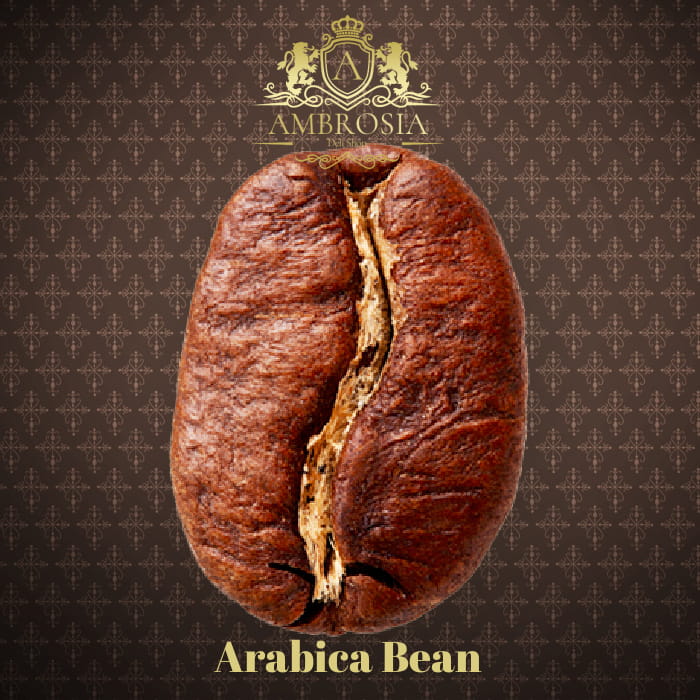
- SPECIES: 100% Arabica
- VARIETY: Bourbon / Typica / Caturra
- SIZE: scr. 17/18 (approx. 6-7mm)
- HARVEST PERIOD: May-August
- ACQUISITION METHOD: dry
SENSORY PROFILE:
- SWEETNESS: average
- BITTER: delicate
- ACIDITY: delicate
- NOTES: nutty and chocolate
- INTENSITY: medium
- BODY: Medium
BURNING PROFILE:
- Degree of burnout: medium (so-called: American)
- Roasted using the artisanal method by four very experienced Roasters
Coffee, coffee and more coffee
Today's Ethiopia is considered the home of coffee. It is known that coffee trees (Arabica species) appeared in the Abyssinian Highlands as early as the 6th century, and in the 9th century (after the alleged discovery of coffee by Kaldi), coffee was a popular drink, and its drinking was associated with an extensive ceremony that could last up to several hours .
It wasn't long before Arab merchants first spread the coffee first in the Arabian Peninsula and then everywhere Islam has reached. It was soon discovered that when coffee beans were thrown out of the fire for a while, their properties improved significantly, and the drink made from them had not only more strength but also a better taste. The Arabs carefully guarded their coffee secrets. Until the beginning of the 17th century, all caliphates were banned from exporting coffee seedlings.