

Coffee Costa Rica La Pastora Tarrazu


 0
0
Description
Coffee Costa Rica La Pastora Tarrazu
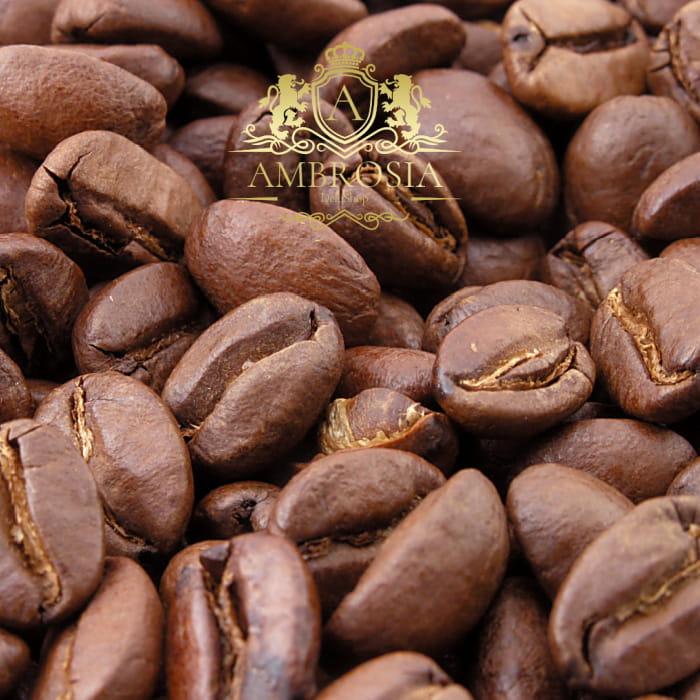
Tarrazu is one of the most famous coffee-growing regions in Costa Rica. La Pastora is located in the north-eastern part of the region. Harvesting comes from numerous small farms, and the height of the crops affects the quality and taste of the wet-treated beans. This Costa Rican coffee has a light and clean taste with a nutty note and a wonderful aroma. It is a combination of chocolate with a hint of blueberries. Refreshing and strong. Noticeable hint of red orange. Non-overwhelming, it is drunk with lightness. Perfect as an iced coffee on a hot day.
ORIGIN:
- COUNTRY: Costa Rica
- REGION: San Pablo Tarrazu
- CROP ALTITUDE: 1500-1800 m above sea level
GRAIN FEATURES:
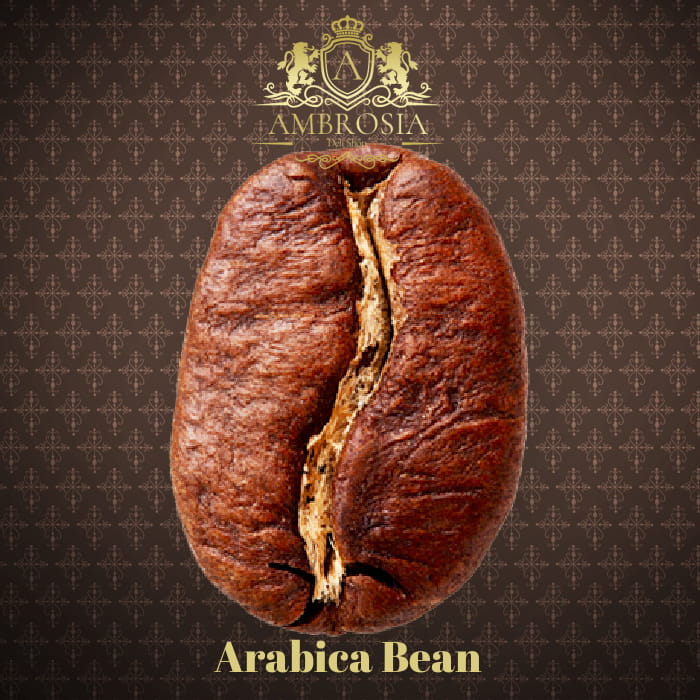
- SPECIES: 100% Arabica
- VARIETY: Caturra, Catuai
- HARVEST PERIOD: January-March
- ACQUISITION METHOD: wet
SENSORY PROFILE:
- SWEETNESS: average
- BITTER: average
- ACIDITY: low
- NOTES: walnut - red orange
- INTENSITY: moderate
- BODY: full
BURNING PROFILE:
- Degree of burnout: medium (so-called: American)
- Roasted using the artisanal method by four very experienced Roasters
Instant Coffee and the Cold War - the first wave of coffee
All of this has passed slowly in history - from coffee as an exclusive product for the elite to a popular drink for the masses. The so-called first wave is a term that goes back to 1800!
Coffee was becoming more common and available. In 1903, instant coffee was created for everyday consumption. At that time, the United States of America bought over 70% of the coffee available on the world market. The coffee maker - a servant whose role was to serve you coffee brightly in the morning, is a thing of the past. Everyone could drink a coffee prepared at home.
In the USA, the Cold War revolved around coffee. Perhaps it was not only about coffee, but its popularization among the American society could not be undone. If you handed over to the Cuba communists, the Latin American countries, whose agricultural income accounted for 40-60% of coffee sales, the market would collapse. By limiting its purchase, it would risk pushing poor farmers and growers right into Moscow's tentacles.
Therefore, coffee exports had to be protected. During the Cuban crisis, Hubert Humphrey assured the US Congress that maintaining good purchase prices for coffee was "... a matter of life and death." So, in 1962, the International Coffee Agreement was created. An arrangement under which coffee prices were regulated and kept high, while ensuring high prices with strong demand. It had a direct impact on the economic possibilities of farmers and influenced their quality of life. The United States has interfered with the coffee market in South America before. During World War II, the Inter-American Coffee Agreement was signed to prevent sympathy for coffee-exporting countries with the Nazis and the Soviet Union.